RobertStJohn.com
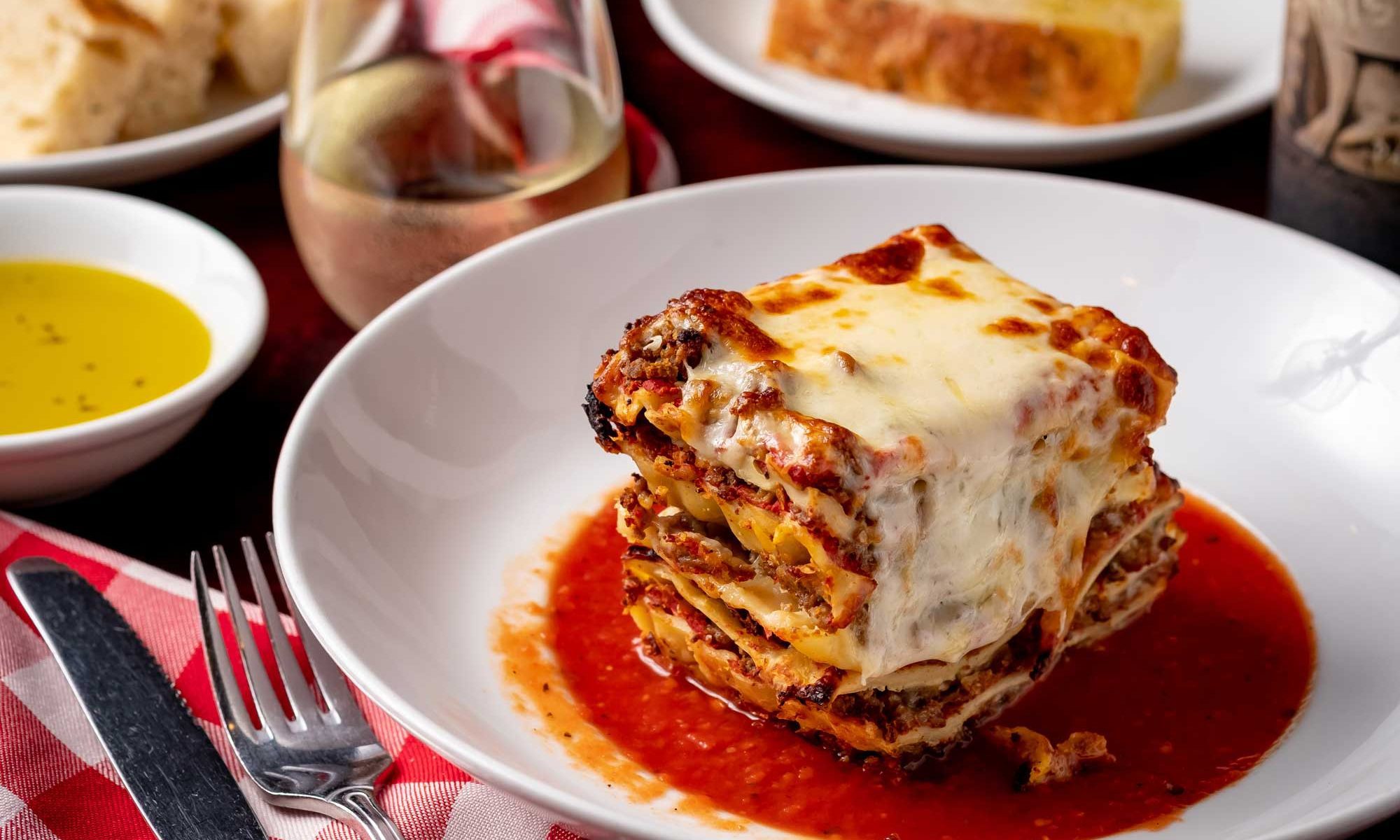
Meat Lasagna
Ingredients
1 each 1lb. package lasagna sheets, dry
1 gallon Water
¼ cup Kosher salt
2 TB Extra virgin olive oil, divided
1 lb. Ground beef
1 lb. Ground Italian sausage
¼ cup Yellow onion, small diced
1 TB Garlic, minced
4 cups Marinara
2 lbs. Ricotta cheese
2 TB Lemon zest
2 each Whole eggs
2 TB Italian flat-leaf parsley, chopped
2 cups Shredded mozzarella cheese
1 cup Pecorino Romano cheese, grated
Instructions
Wrap the Ricotta cheese in cheesecloth and place in a strainer over a bowl. Weight the Ricotta with some plates or bowls (about 5 lbs. will do) and place in the refrigerator overnight to remove excess water from the cheese.
Preheat oven to 375.
Bring the water and salt to a boil in a large stock pot. While you are waiting for the water to boil, prepare a large bowl of ice water. Add the dry pasta to the boiling water and stir frequently until pasta is tender but not mushy. Once pasta has cooled, remove from ice bath and reserve.
Heat 1 TB of the oil in a large skillet over medium heat. Add ground beef and Italian sausage and stir frequently until cooked, 6-8 minutes. Drain and let cool at room temperature.
In a medium bowl, combine Ricotta cheese, lemon zest, eggs and parsley.Mix ¼ cup of the ricotta mixture with ½ cup of the marinara.
In a lightly oiled 11” x 13” casserole dish, spread the ricotta and marinara mixture across the bottom of the pan. This will help keep the first layer of pasta from sliding around.
Begin the layering process with one layer of cooked pasta sheets. You may have to cut some of them to fit, depending on the size of the pasta sheets. Next, spread 1/3 of the ricotta mixture on the pasta sheets. Follow this with 1/3 of the meat mixture, then 1 cup of the shredded mozzarella and ¼ cup of the grated Romano. Finish the first layer with ¾ cup marinara.
Repeat the layering process 2 more times, beginning with pasta sheets and ending with marinara.
For the top, place remaining pasta sheets, marinara, shredded mozzarella and grated cheese in that order.
At this point, you may refrigerate for 3-4 days or freeze for 3 months before cooking. If freezing, remove lasagna from the freezer a day or two in advance and allow to thaw completely before cooking.
Cover with parchment paper followed by foil. Coat the surface of the parchment paper that will be in contact with the cheese with non-stick spray to prevent the cheese from sticking to it when removed. Bake until lasagna reaches an internal temperature of 165, about 1 hour, maybe longer. Remove the foil and return to the oven for 10-15 minutes. Let rest for 20-30 minutes before slicing and serving.